

If you find bedbugs in your property, you will want to get rid of them permanently and quickly. We can help identify and treat a bedbug infestation, and below you will find some useful information about how to identify bedbugs, how to treat bedbug bites, how we treat them as professional pest controllers, and how to prevent future infestations.
What are bedbugs?
Bed bugs are small insects that feed on human and animal blood. They are brownish-red in color, flat and oval shaped, and range in size from 1mm to 7mm. Their bodies are designed to fit into small crevices and cracks, making them difficult to detect and eradicate.
Bed bugs can be found in many different environments, including homes, hotels, nursing homes, hospitals, and schools. They can easily be transported through furniture, luggage, or even on clothing. Once inside a building, bed bugs seek out hiding spots near their hosts, often in mattresses, box springs, bed frames, and furniture.
Bed bugs are primarily active at night and are attracted to the carbon dioxide and warmth that humans and animals emit. Their bites can result in itchy welts and in severe cases, can lead to allergic reactions or infections.
Don’t let the bedbugs bite!
Children of the 50s and 60s may remember this little rhyme being said as they were being tucked up in their beds. At the time, we had no idea what a bedbug was or what one looked like. The rhyme probably dates back to the 16th century at a time when bedbugs were a common sight.
Bedbug populations, along with most living things, plummeted after the development of potent insecticides such as DDT, but they’re back in large numbers and becoming a bit of a nightmare.
Bedbugs feed on the blood by piercing the skin of a sleeping human or animal. They don’t actually transmit diseases, but their bites can itch and in rare cases, cause an allergic reaction or even anaphylactic shock.
Bed bug bite marks can usually be relieved by applying a cool compress, bite relief cream, or even taking an antihistamine. Always seek medical advice if you notice swelling or the bite mark looks infected.
What do bedbugs look like?
Bedbugs are small oval insects which are just a few millimetres long. They live off the blood of humans and pets. Initially they are brown in colour but take on a red hue after feasting on blood.
The female bedbug can lay hundreds of eggs, which are almost invisible to the naked eye and could be mistaken for dust. The hatching female nymphs can reach adult maturity within a month, and produce three more cycles of bedbugs during the year, so it is important to treat bedbugs quickly and effectively to prevent future infestations.
The presence of bed bugs can be difficult to detect, as they are nocturnal and hide during the day. Signs of an infestation include blood spots on sheets, faecal stains on bedding and walls, and the presence of live bugs or shed skins.
You may see signs of bedbugs before you spot a live one.
Where do bedbugs live?
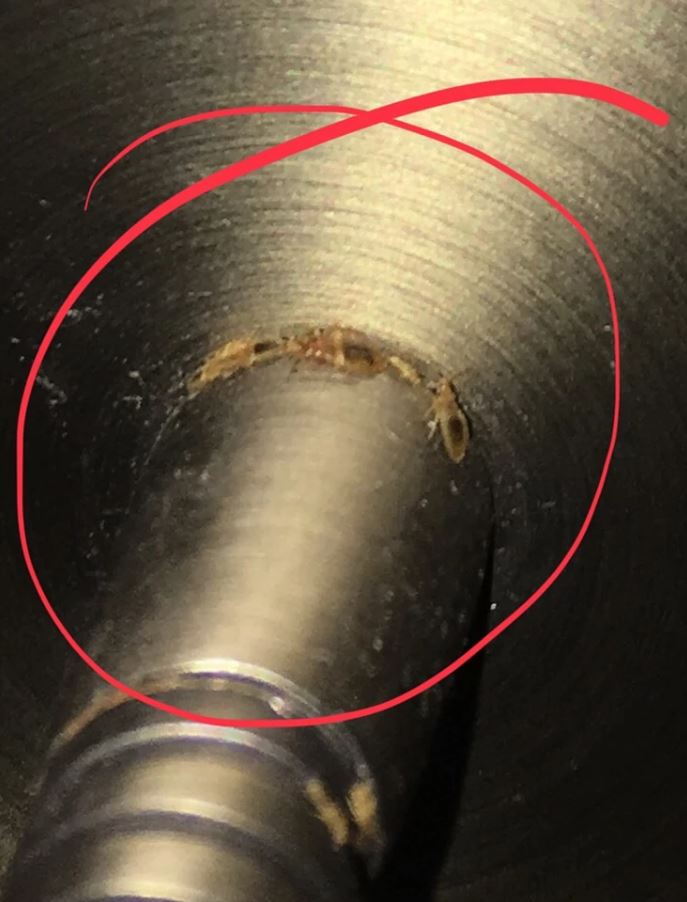
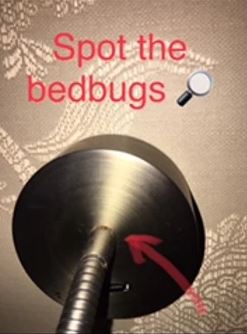
We would expect to find bedbugs in beds and bedding, but as you can see in the photo, they can hide in bedside lights and other cracks and crevices, even behind peeling wallpaper due to their body shape.
Similar to a spider, they move about quickly by crawling along walls, ceilings, and floors. They cannot fly so are most likely to enter your home via luggage, clothes, and second hand furniture.
Bedbugs are one of our most challenging pest insects to eradicate. As you can see in the photo they will hide in bedside lights and other cracks and crevices, e
Bedbugs are becoming more and more common in the UK and are one of our most challenging insect pests to eradicate.
There are several factors that have contributed to their increase, such as global travel and their resistance to some insecticides and chemicals. This bloodsucking critter has been around since the Stone Age and always will be as they evolve and adapt to the ever-changing world.
How do we get rid of bedbugs permanently?
Treating a bed bug infestation can be challenging as they are resistant to many insecticides. The most effective treatment options include combining chemical treatments with heat or steam treatments. Bed bug prevention measures include regular cleaning, vacuuming, and inspecting second-hand furniture before bringing it into the home.
In recent decades, they have become genetically programmed to resist modern insecticides, such as pyrethroids, making successful treatment difficult. Therefore a multi-pronged approach is needed, or integrated pest management.
This involves a combination of chemicals, hot washing bedding and clothing (heat kills bedbugs and their eggs), desiccating powders, and sometimes disposal of beds and other heavily infested items. If you have ever shared a bed with bedbugs, you will know only too well the discomfort from bites, allergic reactions, and the psychological trauma they cause.

New bedbug treatment
We have recently started offering a new chemical-free, 100% effective bedbug treatment. It’s a ground-breaking solution using a Professional Bedbug Steamer which is purpose-built for one thing: killing bedbugs.
Our steamer not only wipes out bedbugs but also includes a safe cleaning solution to eliminate eggs and fecal streaks. The advantages of our dry steamer are :
🔥 It operates at a high temperature for instant bedbug extermination
🐜 There is less moisture for better penetration in fabrics and crevices where bedbugs hide
💧 Minimal water is used, so there’s less cleanup afterwards, and happier customers!
⚠ No chemicals are used, this is a 100% natural bedbug killer
🧑 Customers can re-enter the room immediately and even be present during treatment, with no risk to them!
If you’d like to discuss this or any of our treatments please contact us today.
Eradipest have been successfully treating bedbugs for many years and use the most up-to-date treatments along with thorough property surveys, which are key to establishing the best course of action.
How to prevent bedbugs
Whilst you will need professional treatment from a pest control company to eradicate any infestations of bedbugs, there are several things you can do to help prevent bedbugs from infesting your home again.
- Always wash human and pet bedding on a hot wash.
- Hoover your mattress regularly.
- Hoover all areas of your bedroom regularly, especially under your bed.
- Avoid buying second hand mattresses and sofas if you can.
- Keep soft toys to a minimum and wash regularly.
- Keep your bedroom and living rooms in good decorative order, and ensure that the wallpaper is firmly fixed to walls to prevent more hiding places for bedbugs.
If you are staying in a hotel or guest accommodation, inspect the room for any signs of bedbugs so that you don’t inadvertently bring them home on your clothing or luggage.
Do you need help with bedbugs?
If you suspect a bed bug infestation, it is important to contact a pest control professional who can properly identify and treat the problem. Do not attempt to use insecticides on your own as this can be dangerous and ineffective. Additionally, be sure to inform any hotel or rental property where you stayed recently so that they can take measures to prevent the spread of bed bugs to other guests. By taking proactive measures and remaining vigilant, we can work towards preventing the spread of bed bugs and keeping our living environments safe and healthy.
If you have unwanted pests, please call us on 0333 600 6005 or email help@eradipest.co.uk to find out how we can help. Our team is here 24/7 to answer your calls.
For expert help IMMEDIATELY
Call now : 0333 600 6005
Mobile : 0777 579 5566
For other contact options such as booking a callback or sending us an email click the button below.
contact